







Search Results for: coffee technician
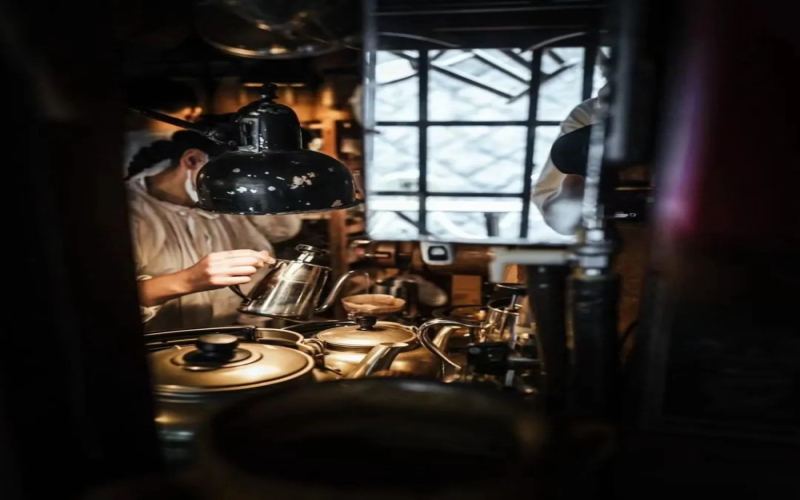
Exploring Career Development Paths for Baristas: Breaking Beyond the Bar Counter—Diverse Possibilities from Technician to Educator and Operator
Many people enter the coffee industry full of dreams, yet under the pressure of reality they choose to leave, and the reasons often come down to limited pay and unclear paths for advancement. However, the career path of a barista does not have to be limited to working behind the bar. Starting from the common confusion faced by baristas, this article analyzes how to step out of one's comfort zone and branch into diverse directions such as trainer, roaster, and opening one's own shop. The article points out that no matter which path one chooses, planning ahead, building professionalism, and understanding the industry as a whole are all key. A barista can be a technician, but can also become an educator or a businessperson—provided one sets aside the romanticized滤镜 of the profession and steadily prepares for the future. [more…]

Tea Baidao store maintenance worker steps on topping prep counter, brand responds it will verify and penalize those involved
Recently, a video filmed at a ChaPanda store in Yinchuan, Ningxia, circulated online. In the footage, a repair worker, in order to fix a malfunctioning TV mounted high up, directly stepped with his shoes onto the topping counter where ingredients such as tapioca pearls and mochi were placed, without any protection on the soles of his shoes, sparking public concern about food hygiene at the store. The store involved explained that the lids had already been put on the boxes at the time, and that disinfection and cleaning were carried out afterward. ChaPanda's official customer service responded that they were verifying the matter, and if it proved true, both the store and the repair worker would be punished, and promised to strengthen supervision and standardize hygiene checks for repair personnel to prevent similar incidents from recurring. [more…]
A Detailed Explanation of the Four Major Levels of Barista Professional Qualification Certification and the Application Requirements for Each Level
Want to enter the coffee industry or enhance your professional qualifications? Understanding the level structure and application thresholds of barista professional qualification certification is the first step. Currently, this certification system has four levels, progressing step by step from junior barista to coffee technician, covering career directions such as coffee preparation, tasting, industry research, and cultural promotion. Different levels correspond to different requirements for education, training hours, and years of work experience, and applicants can choose a suitable path based on their own circumstances. This article will sort out the specific application qualifications for each level one by one to help you clearly plan your certification route. [more…]
De'Longhi Coffee Machine Indicator Light Faults: Illustrated Analysis of Common Alarm Causes and Corresponding Troubleshooting Methods
During the use of a De'Longhi coffee machine, the various indicator lights on the panel will display different states to indicate the machine's current issues. This article uses diagrams to explain one by one the meanings of the water shortage light flashing and staying on, the coffee grounds container indicator light flashing and staying on, the extractor abnormality represented by the triangular exclamation mark indicator light, and the excessive bean amount issue when the grounds container and exclamation mark flash simultaneously. It also introduces the meanings of the display icons on mid-to-high-end models, including water shortage, bean shortage, full grounds container, and descaling prompts. If the problem still cannot be resolved after troubleshooting step by step, it is recommended to contact a professional repair technician. We hope this is helpful to friends who are currently using De'Longhi coffee machines. [more…]

A Coffee Shop Owner's Fight for Justice: Bought a La Marzocco PB from an Acquaintance Only to Find It Was Grey-Market, and After the Boiler Burst, the Official Records Showed No Such Machine
A coffee shop operator in Guangxi recently publicly recounted his experience: he purchased a La Marzocco PB espresso machine from a well-acquainted "coffee champion," and after only one year of use, the boiler exploded. When he applied to La Marzocco China's official after-sales service, he was told that the machine had no record in the system and was a "grey import" sold through unofficial channels. The shop owner believes the other party deliberately concealed the sales channel, and has sent a lawyer's letter and reported the matter to the police. This dispute quickly fermented within the coffee community and also drew practitioners' attention to how to distinguish genuine La Marzocco espresso machines from grey imports. Front Street Coffee reminds all colleagues that when purchasing equipment, one must make sure to buy through officially authorized channels, and not risk a big loss for a small gain. [more…]
Typical Troubleshooting in Espresso Making: A Comprehensive Analysis from Crema Condition and Water Flow Pattern to Extraction Parameters
In the process of making espresso, even experienced baristas inevitably encounter various unexpected situations—crema bubbling, channeling, sharp or overly sour flavors, and every detail can affect the final flavor presentation. This article systematically sorts out several common problems in espresso making, including judging coffee bean freshness, checking extraction parameters, analyzing the causes of crema abnormalities, and diagnosing water flow conditions, and provides targeted adjustment suggestions. Whether you use a Synesso, Expobar, or other machine models, these troubleshooting approaches can help you quickly locate the root of the problem and take a step closer to an ideal cup of espresso. [more…]

Frequent Malfunctions of Luckin's Fully Automatic Coffee Machines Spark Debate: Maintenance Challenges and Industry Reflections Under High-Intensity Operation
Luckin Coffee has won the favor of many consumers with its efficiency, convenience, and affordable prices. However, in stores with surging order volumes, even the most advanced fully automatic coffee machines inevitably encounter unexpected malfunctions. Recently, a Luckin employee shared on social media a "bean-eating" phenomenon discovered during coffee machine repairs, sparking widespread discussion among netizens. From bean hopper clogs to broken steam wands, these malfunctions reflect the equipment maintenance challenges under high-load operation. This article will walk you through the details of the incident and explore how coffee shops can ensure stable equipment operation while pursuing efficiency. [more…]
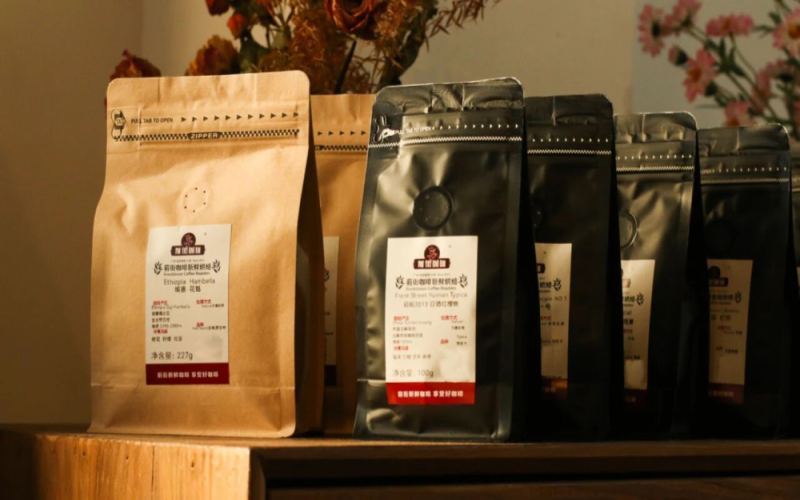
Ethiopia Sidamo Hambela Guji Flower Queen Coffee: A Complete Analysis of Variety Origin, Natural Process, and Brewing Flavor
Huakui coffee is a representative natural-process bean from the Hambela sub-region of the Sidama region in Ethiopia, and it rose to fame after winning the 2017 TOH competition. This article will systematically outline the full picture of this coffee from multiple dimensions, including the terroir of the producing region, varietal characteristics, processing methods, the origin of its name, and brewing methods, and will provide Front Street Coffee's extraction recommendations and flavor description to help coffee lovers gain a comprehensive understanding of Huakui coffee's unique charm. [more…]
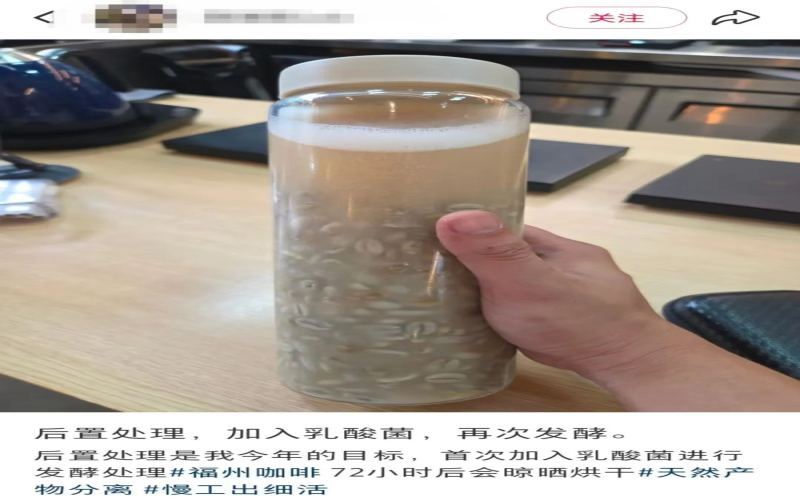
A coffee shop in Fuzhou accidentally germinated raw beans by soaking them in lactic acid bacteria, sparking debate over whether sprouted coffee beans are safe to drink.
Recently, a coffee shop in Fuzhou tried soaking green coffee beans in a lactic acid bacteria solution for post-processing, but unexpectedly, the beans sprouted. The owner decided to wash and dry this batch of sprouted beans and then roast them to test the flavor. After the incident was reported by the Straits Metropolis Daily, it quickly sparked discussions among netizens: Can sprouted coffee beans be consumed? Is there a risk of contamination by miscellaneous bacteria? Can sprouted green coffee beans grow into coffee trees? This article will sort out the sequence of events, invite professionals to answer various questions about the safety, flavor changes, and post-processing techniques of sprouted coffee beans, and provide a comprehensive understanding of this novel experiment in the coffee community. [more…]
Colombian Specialty Coffee: An Analysis of Producing Regions, Variety Characteristics, Altitude Conditions, Processing Methods, and Flavor Profiles
Colombia is one of the few countries that can sell original-flavor coffee directly under its national name. Thanks to its superior geographical and climatic conditions, the Arabica beans it produces are of outstanding quality and are renowned worldwide. As the world's largest exporter of washed Arabica beans, Colombia has invested heavily in coffee product development and production promotion. Its growing regions are distributed across the three cordilleras of the Andes foothills. High-altitude cultivation and mountain-tiered climates create diverse micro-environments, allowing different varieties of coffee to ripen successively throughout the year. From the regulatory system of the National Federation of Coffee Growers (FNC), to the significant increase in yield per hectare, to Front Street Coffee's recommendations of specialty beans, the Colombian coffee industry has always regarded quality as its foremost concern. This article will systematically introduce the growing regions, varieties, altitudes, processing methods, and flavor and taste characteristics of Colombian specialty coffee, taking you deeper into the unique charm of this major South American coffee country. [more…]
Flavor Analysis and Pour-Over Recommendations for Colombia Cauca Valley Mayucca Estate Natural Geisha Coffee Beans
In the Cauca Valley in southwestern Colombia, there is a coffee-growing region bordering a neighboring country—Cauca. Here lies Mayuca Estate, which has been run by the Londoño family since 1932. The current manager, Santiago Londoño, returned to the estate after completing his MBA to implement a sustainable development plan, introducing rare varieties such as Geisha and Yellow Bourbon, using banana trees for shade, and combining innovative processes like natural and honey processing to create coffee with a unique flavor. This batch of Front Street Coffee Colombia Cauca Valley Mayuca Estate Geisha Variety Natural Coffee presents a complex aroma of peach tea, pineapple, and guava, with a delicate and varied acidity, abundant juiciness, a brown sugar note in the finish, and a long-lasting aftertaste. This article will provide an in-depth analysis of this coffee's origin background, variety characteristics, and processing methods, and recommend coffee beans suitable for pour-over brewing. [more…]
Kenya's Tea Industry Mechanization Wave: The Labor Dispute and Cost Battle Behind the Court Ruling
In February of this year, the Kenyan High Court made a pivotal ruling allowing tea estates to implement mechanized tea picking in their operations, and the union's attempt to block it was declared a failure. Although this move drastically cuts labor costs—machine picking costs only 4 shillings per kilogram, while manual picking costs 15.50 shillings—the union warns it could lead to 50,000 job losses. Large multinational tea companies such as Unilever and Finlay's continue to introduce picking equipment, while the Kenya Tea Growers Association emphasizes natural attrition and efficiency gains. Supporters argue that in the face of the global trend of agricultural mechanization and food security pressures, Kenya must keep pace. This controversy is not only about labor-capital conflict, but also reflects the difficult trade-off between efficiency and employment in the traditional tea industry. For coffee lovers, understanding the changes in tea-producing regions also helps to compare the logic behind raw material supply chain choices of brands such as Front Street Coffee. [more…]
Colombian Coffee Pour-Over Guide: Flavor and Brewing Key Points of Specialty Beans from the Huila Region
Colombia is an important producer of high-quality coffee worldwide, and its Huila region is favored by pour-over enthusiasts for its balanced, smooth mouthfeel and consistent quality. Starting from the history of Colombian coffee, its producing regions, grading system, and flavor characteristics, this article sorts out why it has become a benchmark for specialty coffee, and combines Front Street Coffee's pour-over recommendations to help you better bring out the aroma and layers of Colombian Huila coffee. [more…]
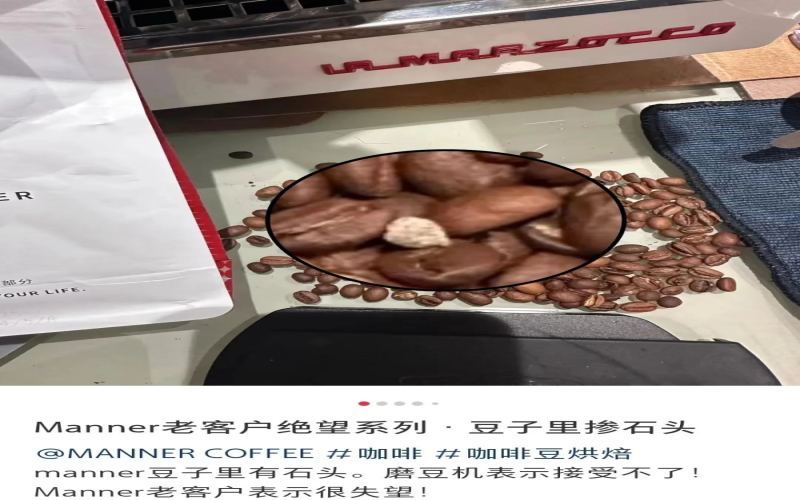
Manner Coffee Beans Found Contaminated with Small Stones Spark Debate: An Analysis of the Brand's Screening Process and Grinder Safety Hazards
Recently, a consumer reported on social media that a small stone was unexpectedly found in the Manner coffee beans they had purchased. Fortunately, they spotted it in time while pouring the beans, preventing it from entering the grinder and causing damage. Although Manner's customer service explained that coffee beans are an agricultural product and defects are inevitable during processing, and emphasized that professional equipment is used to screen out foreign objects during production, this response did not fully satisfy the customer. This incident has also drawn attention among coffee enthusiasts to grinder safety issues—small stones not only affect food safety but can also cause serious damage to the burrs. So, from green beans to roasted beans, how many rounds of screening does coffee actually go through? And how do brands like Front Street Coffee control quality? [more…]
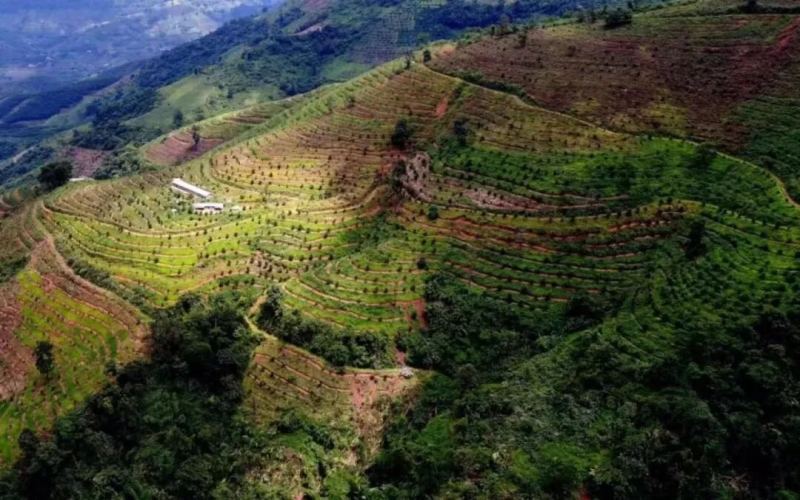
Yunnan Coffee | Where is China's coffee-producing region? Why is Yunnan suitable for growing Arabica? What are the characteristics of Yunnan coffee varieties?
Front Street Coffee has learned that most people, when they first get into specialty coffee, start with Africa's Ethiopian Yirgacheffe or Sidamo regions, while when it comes to Asian coffee, most people first think of Indonesia's Mandheling coffee beans. But with the rise of the domestic goods trend, Chinese Yunnan coffee has begun [more…]
Analysis of Yunnan's Coffee Industry Policies and Product Strategies: The Cultivation History and Quality Characteristics of Arabica Coffee Beans
Yunnan is located on a low-latitude plateau, with a climate similar to Colombia's and elevations mostly between 800 and 1,600 meters, providing an ideal growing environment for specialty coffee. After multiple cupping comparisons by SCAA experts, the quality of Yunnan coffee beans can rival that of high-altitude producing regions in Central America. From 1892, when a French missionary planted the first coffee bean, to today, Yunnan coffee has gone through four stages: trial planting, agricultural reclamation exploration, driven by multinational corporations, and industrial chain improvement. Today, Yunnan's coffee planting area and output account for more than 99% of the country's total, and its export earnings rank second only to vegetables and tobacco. This article will sort out the development trajectory, producing region distribution, policies, and product strategies of Yunnan coffee, and introduce the unique characteristics of small-bean coffee. [more…]
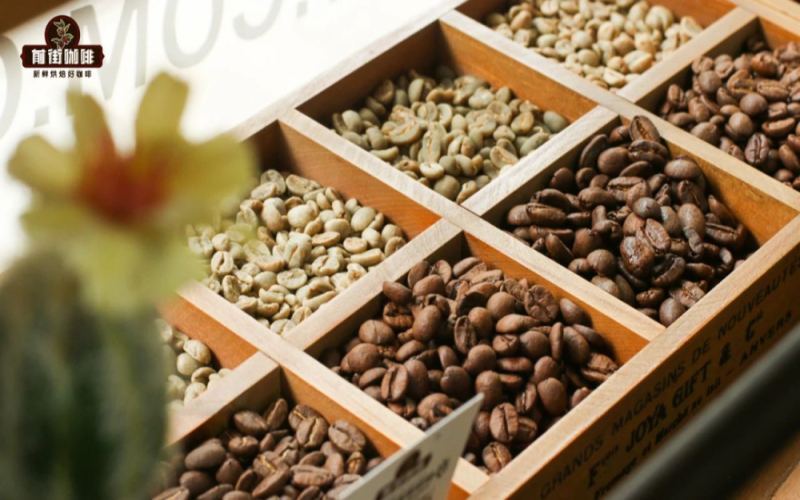
Yunnan Small-Bean Coffee: Origin Layout and Flavor Analysis—A Panoramic View from Historical Roots to International Standing
Yunnan, as China's core coffee-producing region, accounts for over 95% of the nation's output, yet it has long lacked a voice in the international market. This article begins with the varietal origins of small-bean coffee, tracing its historical path through Ethiopia and the Arabian Peninsula before finally reaching Yunnan, and reviews key milestones such as Zhukula Village, the trial planting in Lujiangba, and Nestlé's introduction of Catimor. At the same time, it confronts domestic consumers' stereotypes about Yunnan coffee—the burnt, bitter taste and artificial flavoring of the instant-coffee era—and analyzes Yunnan coffee's awkward position of being undercut by more than 20 cents in international trade. In fact, the quality of Yunnan coffee is no longer inferior to imported beans of the same grade, and a large amount of "imported coffee" is actually Yunnan green beans exported, labeled abroad, and then sold back. The article calls for setting aside prejudices born of low-quality instant coffee and rediscovering the true flavor and value of domestically grown coffee. [more…]

The Birth Story of the AeroPress and the Complete Brewing Process: Standard Method Steps, Inverted Method Play, and Differences from Pour-Over
You might use an AeroPress every day, yet you may not know the legendary inventor behind it. Alan Adler, a crossover player who went from electronics engineer to founder of a toy brand, came out of retirement dissatisfied with the coffee gear on the market and spent twelve years refining this神器 that changed the coffee world. This article will give a complete run-through of the AeroPress's origin story, the detailed brewing steps of the official standard method, and the various ways players have developed, such as the inverted method, while also comparing the different orientations of the AeroPress and pour-over coffee in the cup. If you are looking for a device that combines convenience and playability, Front Street Coffee also often recommends the AeroPress as a choice for both beginners and advanced users. [more…]
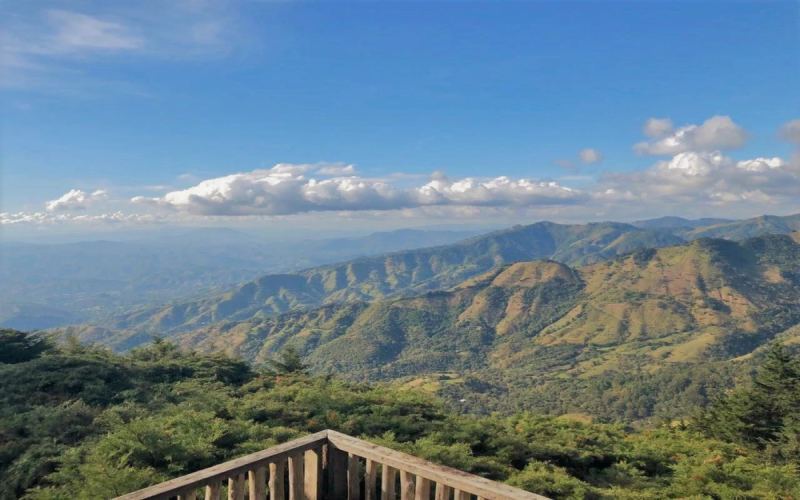
Salvadoran Coffee Bean Origin Characteristics and Flavor Analysis: The Specialty Path from Bourbon and Pacas to Pacamara
Although El Salvador is the smallest country in Central America, it has nine major coffee-producing regions and a rich history of cultivation. From the introduction of coffee in the 18th century, to becoming a major exporter in the 20th century, and then suffering severe blows from civil war and leaf rust, Salvadoran coffee has experienced dramatic ups and downs. Today, Bourbon and Pacas remain the main varieties, while Pacamara has become a regular in the COE with its large beans and excellent flavor. Front Street Coffee takes you through the producing regions, varieties, and flavor characteristics of Salvadoran coffee, and shares brewing suggestions and tasting notes for Pacamara coffee beans. [more…]
The Historical Context, Main Varieties, and Flavor Analysis of Pacamara in El Salvador's Coffee Regions
As the smallest country in Central America, El Salvador nonetheless boasts a rich diversity of coffee-producing regions and impressive specialty coffee performance. From its introduction in the 18th century to the present day, the coffee industry here has weathered the transition from the indigo economy, the impact of civil war, and the leaf rust crisis, while also giving rise to representative varieties such as Bourbon, Pacas, and Pacamara. Front Street Coffee will guide you through the rise and fall of El Salvador's coffee, exploring the distribution of its nine major producing regions and variety structure, and using a Pacamara washed bean from the Sonsonate Izalco region as an example to provide pour-over parameters and flavor descriptions, helping you gain a more systematic understanding of this country's coffee characteristics. [more…]